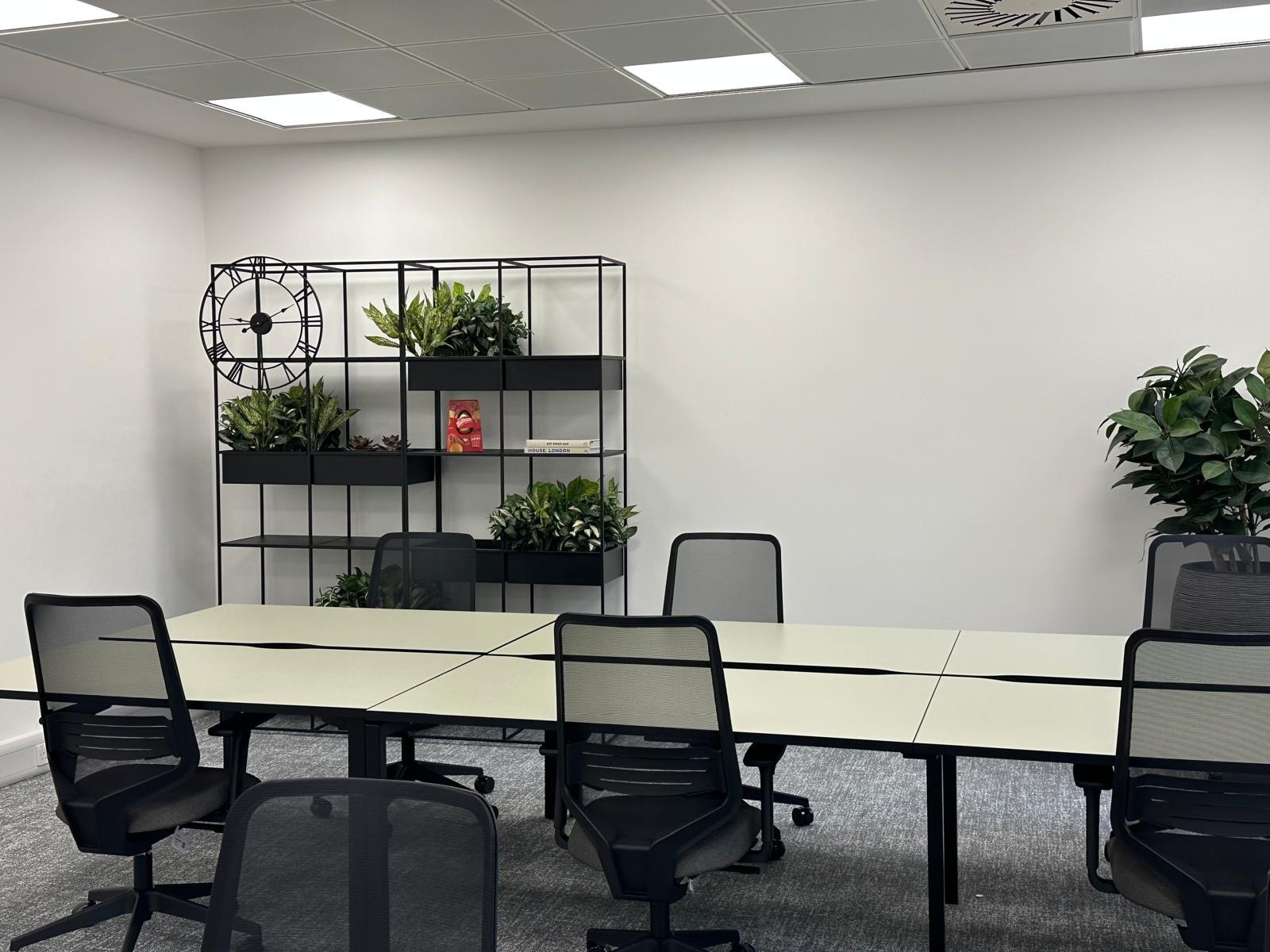
Introducing Kinney Green’s Tenant Operational Set-Up Consultancy
Signing a lease used to mean getting the keys and moving in. For today’s occupiers, it marks the start of something far more complex: managing building systems, compliance obligations, and contractor relationships.
As chartered surveyors and property consultants, Kinney Green is launching a new advisory service to close that gap. Led by our Property & Asset Management team, we introduce the Tenant Operational Set-Up Consultancy.
Why We Built This
Many tenants signing conventional leases have spent their working lives in serviced offices or managed co-working spaces. In those environments, building management and compliance are invisible. Your desk is ready, and someone else handles the rest.
That reality changes overnight when you move into a full repairing and insuring (FRI) lease, or a multi-let building with a service charge. We hear the same questions repeatedly from sophisticated tenants who feel unprepared for what comes next:
-
Who maintains the M&E systems?
-
What statutory compliance does the lease actually require?
-
What should we have arranged before moving in?
We built this service for that exact moment, when the risk of costly missteps is highest.
Kinney Green’s Approach
We do not position this service as a one-stop shop. Setting up an occupational commercial building requires specialist disciplines beyond property management advisory. These include legal lease interpretation, structural and M&E survey work, fire and safety risk assessments, and asbestos management.
Kinney Green acts as the property management intelligence at the centre of your advisory team. We understand what the building requires, identify necessary specialists, help you make sense of technical advice, and build a coherent operational framework.
We work alongside your solicitors, appointed building surveyors, M&E consultants, and health and safety specialists. If you do not have the right team in place, Kinney Green can help identify and coordinate the necessary specialists.
How It Works
-
Phase 1 – Pre-Occupation Due Diligence: Before keys change hands, we work alongside your solicitors and surveyor to review the operational picture. We assess CPSE replies, map out repair and maintenance obligations, identify compliance gaps, and review service charge history against the RICS Code.
-
Phase 2 – Operational Set-Up at Occupation: We handle move-in logistics. Our team advises on contractor procurement across cleaning, M&E, water hygiene, waste, and security. We also coordinate maintenance scopes with your M&E consultant, establish a compliance calendar, and produce a clear tenant handbook.
-
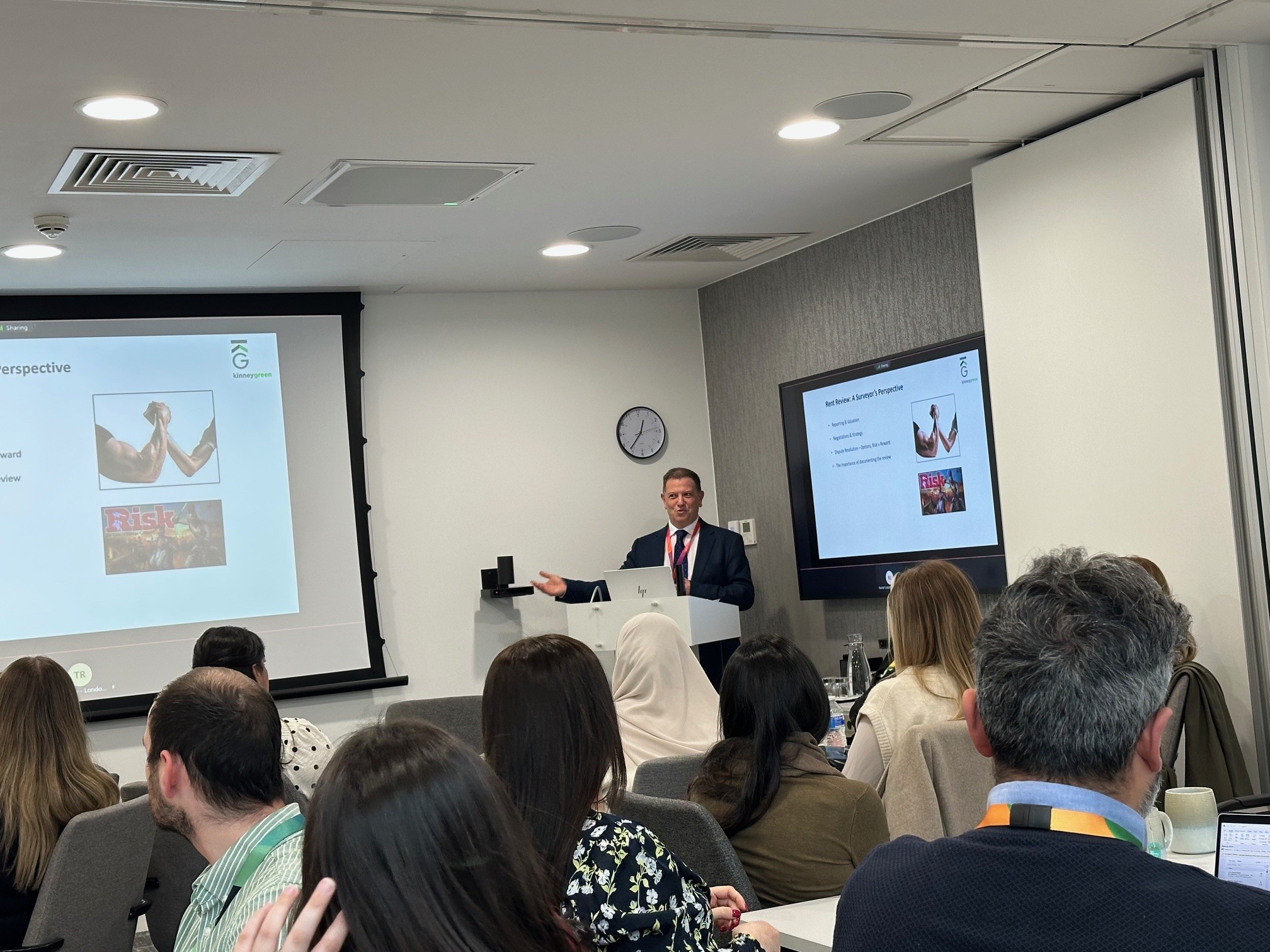
Phase 3 – Ongoing Advisory Support: We offer light-touch support for businesses without a full-time facilities function. This includes ad hoc advice on building issues and contractor disputes, periodic reviews, service charge representation, and preparation for future lease events like break options or rent reviews.
Who It’s For
We built this service for tenants approaching or taking their first conventional leasehold space without dedicated in-house facilities resources. This includes:
-
Growing businesses moving out of serviced or managed offices for the first time
-
Owner-managed businesses and professional practices without a facilities team
-
Tenants taking on FRI leases, where maintenance, compliance, and contractor management fall directly on the occupier
-
Businesses relocating to premises with uncertain building systems or compliance documentation
If you already have an experienced facilities team, you probably do not need us. However, if your team lacks the time or technical property background to manage a complex handover, we are here to help.
Getting Started
You can engage this standalone service independent of any property management appointment. We can step in before lease completion, at occupation, or during the lease term. Following an initial consultation, we scope and price every engagement individually with a fixed-fee proposal.
If your business is approaching a lease commencement and needs practical, coordinated guidance to get the space running properly, we welcome the conversation.
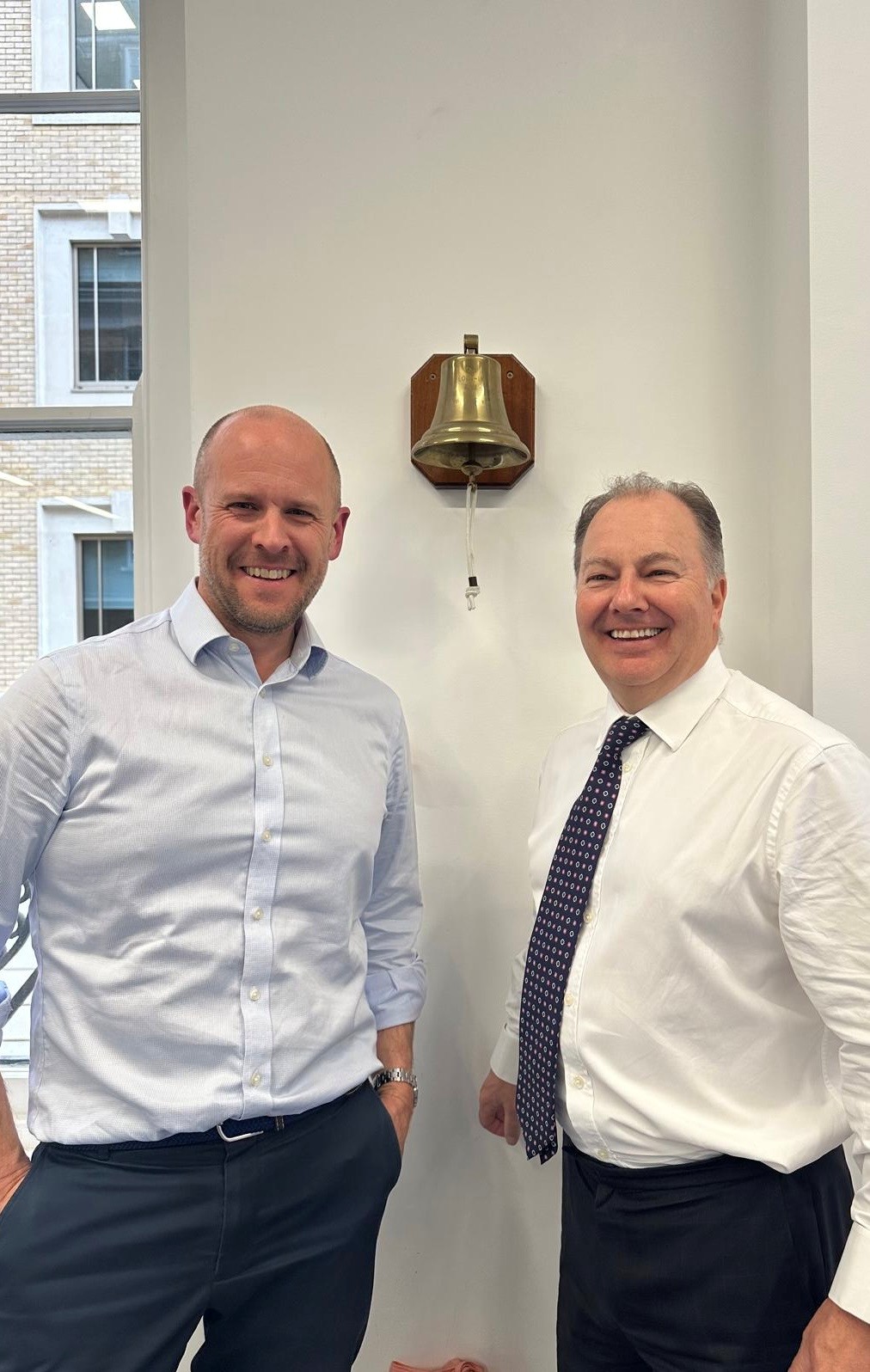
Andrew Scott-Morris MSc MRICS
Partner, Kinney Green LLP
a.scott-morris@kinneygreen.com
Louise Stichbury
Associate Partner, Kinney Green LLP
l.stichbury@kinneygreen.com