
The Minimum Energy Efficiency Standards (MEES)
The Minimum Energy Efficiency Standards (MEES) will become effective on 1 April 2018. As a landlord or tenant, do you know what issues could affect you?
It is clear MEES could have significant impacts for both landlords and tenants on lettings, valuations, rent reviews, and lease renewals. We highlight below a few points to give thought to, but first a quick reminder of what we are dealing with.
What are Minimum Energy Efficiency Standards (MEES)?
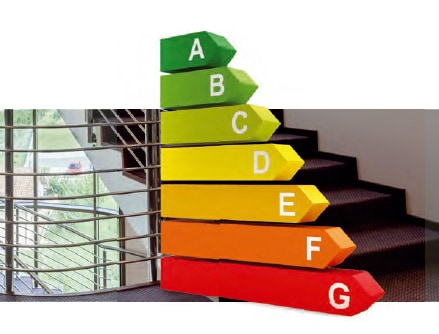
The Energy Act 2011 first introduced the MEES regulation. It stipulates that a non-domestic property with an EPC cannot be let if it is rated F or G after 1 April 2018.
Furthermore, in 2023 all properties with an EPC must comply, whether being let or not. There are some exclusions to MEES, such as lettings under 6 months or listed properties.
Lease Renewals and Valuation
A lease renewal under the Landlord and Tenant Act 1954 entitles a tenant to a lease on similar terms to the existing lease. The valuation assumptions differ from rent reviews.
However, if existing case law is applied to MEES compliance, this could have a valuation impact on renewal. The disregard of tenant improvements under Section 34 could result in further valuation complexities if those improvements achieved MEES compliance.
Having a clear idea of where your property stands is vital, as it helps identify negotiation arguments and potential solutions.
Landlord Responsibility
The onus is on the landlord to upgrade the property through cost-effective Relevant Energy Efficiency Improvements (REEI). These must be implemented prior to letting.
Purpose and Impact
Introducing mandatory regulations to improve a property’s energy efficiency is, at face value, a good way forward. It helps future-proof the UK’s building stock and supports carbon emission reduction targets.
We are in favour of these initiatives. The medium to long term view should result in energy cost savings and a reduction in greenhouse gases. However, as with all new regulations, there are potential ramifications once you consider the logistics.
These regulations could affect rental values at rent review or lease renewal, and therefore capital values and possibly future yields.
Lease Issues to Bear in Mind
A rent review at or beyond 1 April 2018 will make certain assumptions on the ‘hypothetical letting’. One assumption is whether tenant’s improvements should be disregarded.
It is quite possible that the property only achieves an energy efficiency rating of E or below because of tenant’s improvements, for example building services and new LED lights.
Therefore, if improvements are disregarded, that fact potentially renders the hypothetical property unlettable in its existing state. Also, can the property be assumed to be ‘fit and available for immediate occupation’ if the required EPC level is not in place?
There are existing precedents that could be extended to apply to MEES compliance. The cost of such improvements could be taken into account at review, and case law and time will determine what becomes accepted.
There is an argument that rent reviews before the compliance date, for terms extending beyond, will also reference the requirement as a factor.
A Few Points to Think About
- The current EPC rating is key to any future works required and potential lease negotiations. Have you considered the EPC ratings for your properties, and are the EPCs robust enough to be scrutinised and verified? Ensuring you have accurate EPCs with all the background data is essential as a first step for any negotiations.
- Were tenant’s improvements responsible for lowering the EPC to E or better, and do both parties have all the necessary documents and consents in place?
- Is your property E rated? It could slip over the threshold into an F due to future Building Regulations introducing enhanced energy performance requirements. An EPC calculation is dynamic and refers to current Building Regulation requirements. Future changes could see your property move to an F. Plan to future-proof these buildings.
- Are you clear what constitutes an REEI? Can it be implemented as part of a planned maintenance programme?
- Have you considered the potential impacts for a rent review or lease renewal? Are there break clauses coming up where these regulations may be used for negotiation?
- Are there any REEI exclusions that apply? For example, are there reasons why consent to works would not be available, or could any REEIs actually devalue a property?
- As a tenant, is it possible you will become a landlord in the future due to subletting? You will need to consider these regulations in that context.
Planning Ahead
Two years or 24 months may seem a long way away, but the clock is ticking to fully consider each property, either owned or occupied, that may be in scope, and then plan for the improvements and outcomes.